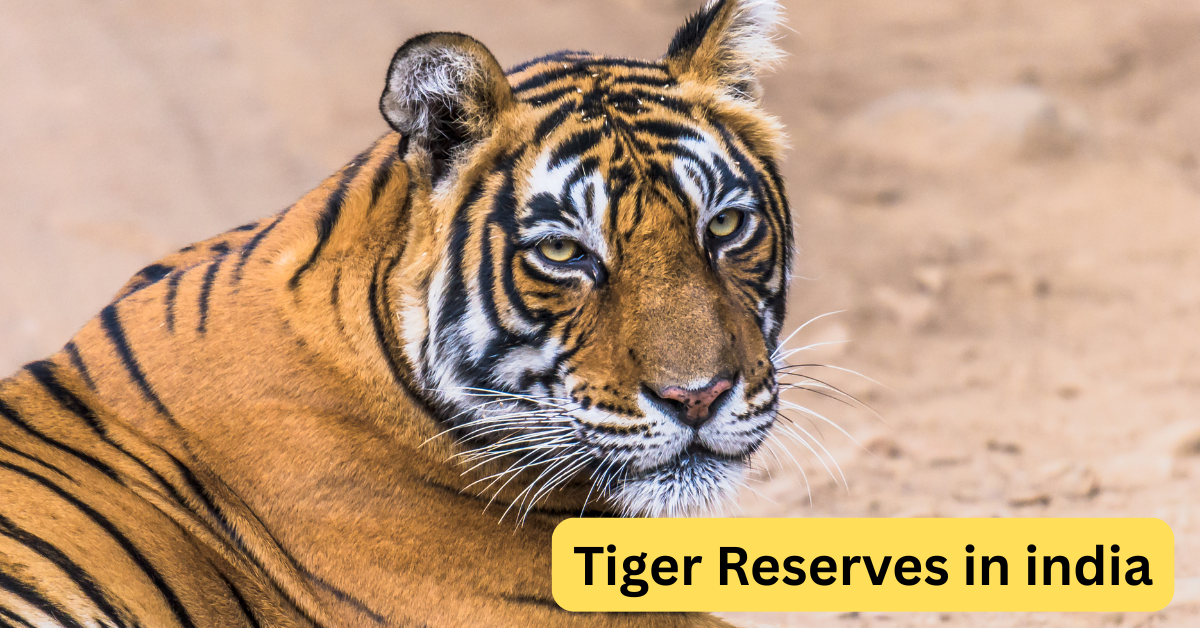
What Are Tiger Reserves?
Tiger reserves are protected forest areas that provide a safe and natural environment for tigers. These reserves are managed carefully to ensure that wildlife is protected while forests remain healthy. Besides tigers, they are home to elephants, leopards, deer, bears, wild dogs, birds, reptiles, and countless plant species. They also help preserve rivers, grasslands, and dense forests that support the entire ecosystem.
Why Are Tiger Reserves Important?
Tiger reserves are much more than homes for tigers. They play an important role in maintaining nature's balance. As top predators, tigers keep herbivore populations under control, preventing overgrazing and protecting forests. Healthy forests also improve air quality, conserve water, reduce soil erosion, and help fight climate change. In addition, tiger reserves attract tourists from around the world, creating jobs and supporting local communities through eco-tourism.
Famous Tiger Reserves in India
India has many well-known tiger reserves spread across different states. Some of the most popular include:
- Jim Corbett Tiger Reserve (Uttarakhand): India's oldest national park, known for its rich wildlife and scenic landscapes.
- Kanha Tiger Reserve (Madhya Pradesh): Famous for its lush forests and large tiger population.
- Bandipur Tiger Reserve (Karnataka): Part of the Nilgiri Biosphere Reserve and home to diverse wildlife.
- Ranthambore Tiger Reserve (Rajasthan): Renowned for tigers that are often seen near historic forts and lakes.
- Sundarban Tiger Reserve (West Bengal): The world's largest mangrove forest, where the unique Royal Bengal Tiger thrives.
Challenges in Tiger Conservation
Although tiger numbers have improved over the years, conservation remains challenging. Forests continue to shrink because of urban expansion, roads, and agriculture. Human-wildlife conflicts sometimes occur when animals move into nearby villages. Illegal hunting and wildlife trafficking also threaten tiger populations. Climate change is another growing concern, affecting forests, water sources, and prey availability.
Conservation Efforts
The Indian government, forest departments, conservation organizations, and local communities work together to protect tigers. Wildlife patrols help prevent poaching, while scientific methods such as camera traps and GPS monitoring are used to track tiger populations. Awareness programs encourage people to protect forests, and eco-tourism provides alternative livelihoods that support conservation without harming wildlife.
Conclusion
Tiger reserves are among India's greatest conservation achievements. They protect not only the majestic tiger but also thousands of other species that share the same habitat. These forests provide clean air, fresh water, and ecological stability that benefit both wildlife and people. By conserving tiger reserves today, India is safeguarding its natural heritage for future generations. Continued efforts from governments, communities, and individuals will ensure that the roar of the tiger continues to echo through India's forests for many years to come.